
Loading more posts...
Digital Media
-
Navigator.pub
-
36 Posts
-
24 Websites
Share
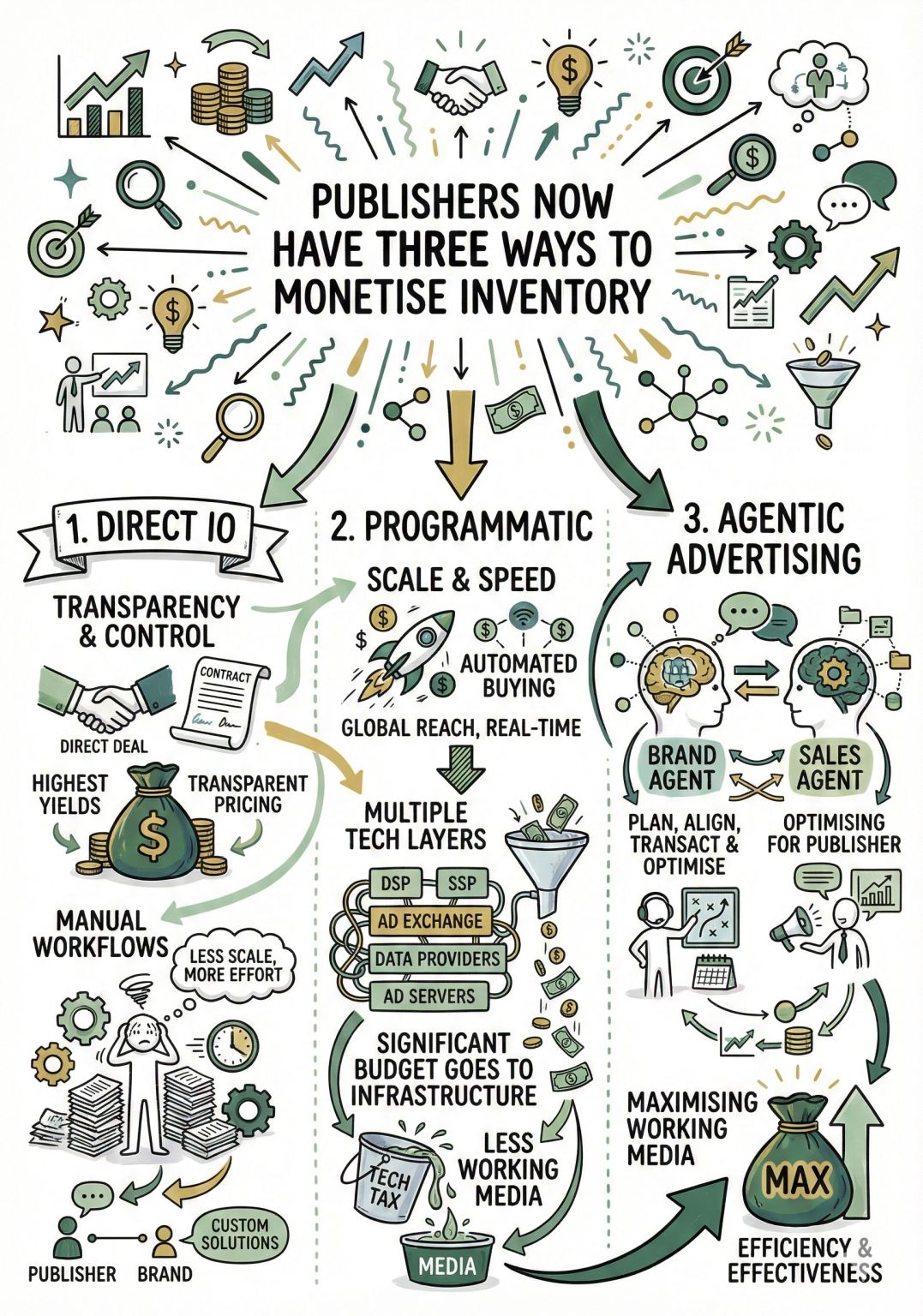
Agentic advertising solutions for publishers
Agentic advertising solutions for publishers leverage autonomous AI agents to manage inventory, optimize yield, and negotiate deals directly with buy-side agents, moving beyond traditional programmatic automation.
Youtube
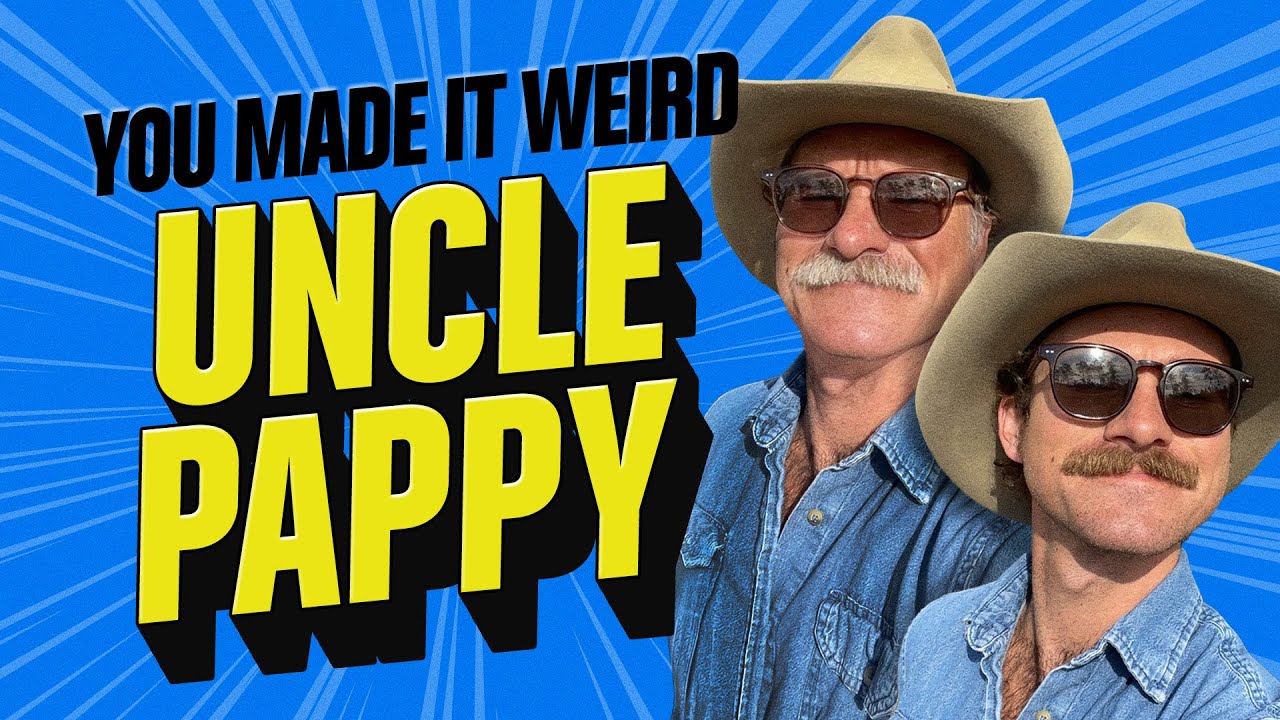
Blair Carlyle is Uncle Pappy! | You Made It Weird
This week on You Made It Weird, Pete Holmes is joined by none other than Uncle Pappy the unpredictable, poetic, and occasionally prophetic creation of Blair Carlisle. What starts as comedy turns into something deeper as Uncle Pappy shares his thoughts on life, America, truth, God, good dogs, bad decisions, and everything in between. Blair talks about his story, his band C.B. Carlyle & the Desert Angels, and the wild tales of internet fame. Known for his signature mix of southern surrealism, earnestness, and absurdity, Uncle Pappy isn’t just a character he’s a vibe, a state of mind, and maybe even a mirror we hold up to the chaos of modern life. Expect: 👉 Wild rants and back porch wisdom 👉 Surprising depth beneath the overalls 👉 Thoughts on storytelling, identity, and performance 👉 A whole lot of laughs and a few WTF moments Whether you’re new to the world of Uncle Pappy or already part of the cult following, this episode delivers. 📲 Follow Uncle Pappy / Blair Carlisle @unclepappyblair 🎧 Subscribe to You Made It Weird for weekly weirdness and wonder 📹 Watch and share if you love your comedy laced with chaos and soul #UnclePappy #YouMadeItWeird #PeteHolmes #BlairCarlisle #ComedyPodcast #SouthernGothic #AltComedy #WeirdCharacters #Storytelling #CultFavorite ======================================================================== SUPPORT OUR SPONSORS Thank you VITA COCO for being our official ON SET BEVERAGE Get 25% off and get Vita Coco shipped to your door by using code WEIRD20 vitacoco.com LITTLE SAINTS PROMO CODE: WEIRD GET 15% OFF YOUR FIRST MONTH littlesaints.com RO BODY SEE IF YOUR INSURANCE COVERS GLP-1S FOR FREE ro.co OLIPOP GET 1 FREE CAN WHEN YOU BUY 2 IN STORE drinkolipop.com DAD GRASS PROMO CODE: WEIRD FOR 20% OFF YOUR ORDER dadgrass.com
Navigator
Let's start a band
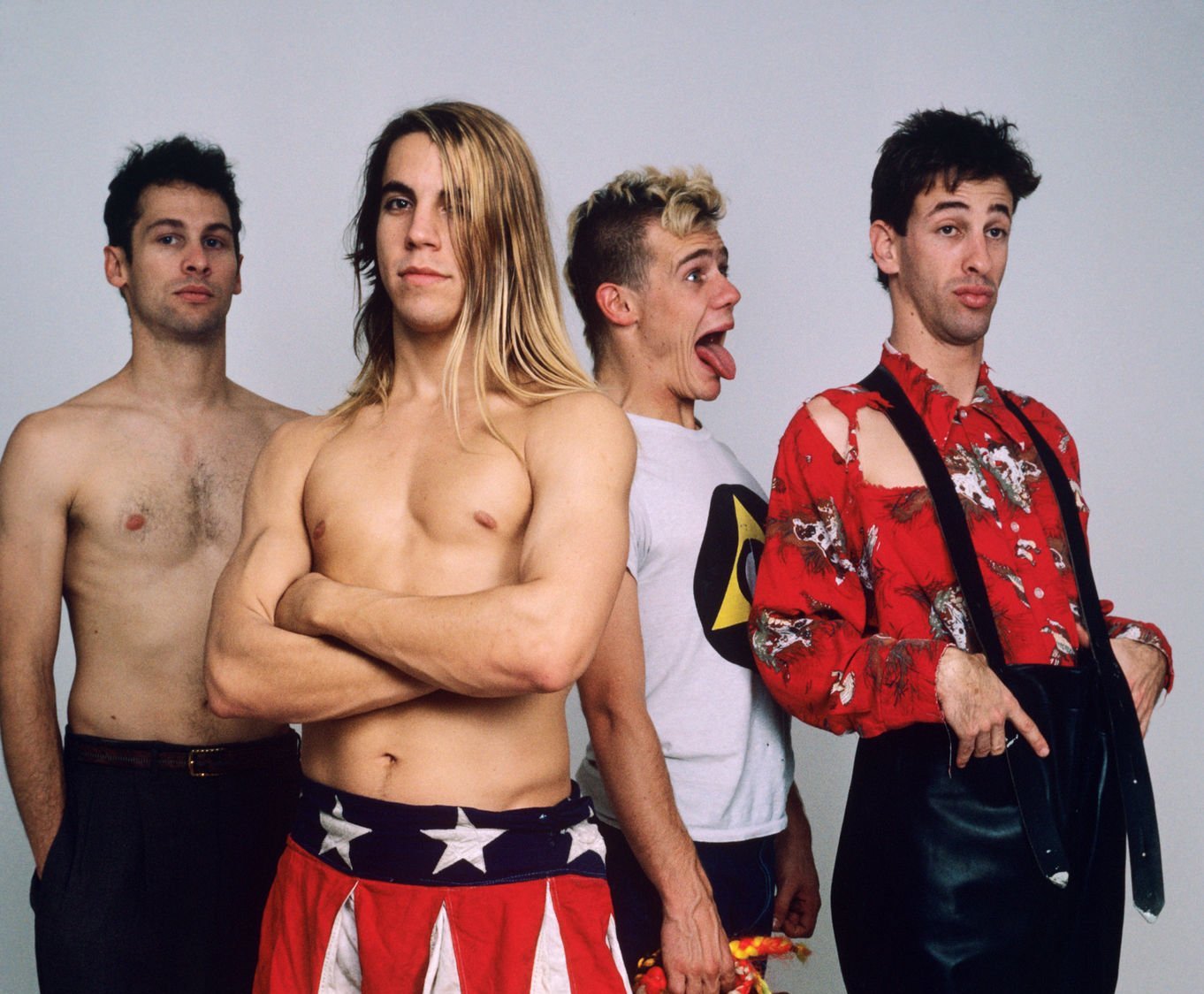
The corporate world keeps returning to the same unproductive debate about whether a company is a family or a team. The family analogy asks for a kind of loyalty that corporations cannot (or choose not to) reciprocate. The team analogy is more honest, but it is also transactional. This is a necessary reality in sport, where consistent and near‑perfect performance is a matter of survival for the team, but at work this way of thinking does not create an environment where people feel connected to anything beyond their own output. I am not arguing that every business should adopt a new metaphor or that there is a single correct way to structure an organization. I am suggesting that there is another analogy that captures something more human and more durable than the family or team framing. What if a company felt more like a band? This idea came into focus for me while watching a documentary about the early years of the Red Hot Chili Peppers and their relationship with Hillel Slovak. It is a touching portrait of friends who got into the business of making music, not just for the product or the money, but because it was something they wanted to do together. The bond was not an accessory to the work. It was the engine. They were friends and loved spending time together. The people were as essential as the product, and the product existed because of the people. That kind of connection is rare in corporate life, but it is not impossible. A band is created when a group of people share a direction they want to pursue together. The work is a craft, not a checklist. Each person brings something distinct, and the result only works because those differences combine into something none of them could produce alone. The relationships that form in that setting are not manufactured. They grow from time spent creating, refining, failing, and trying again together. The sense of connection comes from shared effort, shared ambition, and shared responsibility. Culture emerges from how people treat one another when the work is difficult, when ideas collide, and when someone is struggling. Respect is not a performance. It is the recognition that each person contributes something essential to the whole. When someone in a band falters, the response is shaped by history, trust, and the understanding that the sound depends on the people who create it. A difficult season does not erase the value of the person who helped shape the music. The instinct is to steady them, not replace them. That approach is not sentimental. It is practical. A band understands that the quality of the music depends on the people who make it, and that the chemistry cannot simply be swapped out for a new hire. This way of thinking becomes even more relevant as fears about AI replacing human workers continue to grow. The anxiety is understandable. Many companies will choose automation whenever it is cheaper or more predictable. But bands have lived through this kind of shift before. New instruments, new effects, new recording technologies have arrived in waves, each one capable of changing the sound. Yet the musicians were never replaced by the tools. They absorbed them. They used them to stretch what the band could express, to reach sounds they could imagine but could not previously play. AI can play that role in modern work. It can become the equivalent of a new instrument that widens the creative range of the group. It can help people move faster, think more broadly, and bring ideas to life that would have been out of reach on their own. It can strengthen the identity of the band rather than dilute it. And when a group works this way, AI becomes a force multiplier. It allows the band to do more together than any individual could manage alone. It strengthens the collective output rather than diminishing the role of the people who produce it. The technology amplifies the people, not the other way around. This is the part that feels worth holding onto. Not every business can operate like a band, and not every business should. But the idea of a company built on real relationships, shared work, and mutual respect feels like a place worth showing up to. And in a world where technology is accelerating faster than corporate loyalty, this mindset may be one of the few ways humans can build something that cannot be automated away. Maybe the way forward is not about having a family or building a team. Maybe what we need to do is start a band.
Linkedin

Something Big Is Happening
Think back to February 2020. If you were paying close attention, you might have noticed a few people talking about a virus spreading overseas.
Niallmcnulty

Why curation could be the future of publishing
With some much freely available material online, what is needed is a filtering and selection process - something publishers are uniquely placed to provide
Youtube
The Plan is to Make the Internet Worse. Forever. | Aaron Bastani Meets Cory Doctorow
Did you know that the standard of Google searches has actually gotten worse over recent years? Once you think about it, it makes sense. Highly effective search means fewer searches overall. And fewer searches mean less ad revenue. The financial basis of Alphabet, which is Google’s parent company, is, of course, digital advertising. Which means that undermining the quality of the company’s cornerstone product actually makes money. That’s how crazy the modern internet has become. There are, as the saying goes, many such cases. Cory Doctorow, this week’s Downstream guest, has a word for this phenomenon: ‘Ensh*tification’. He’s written a book about it, too. In front of a live audience at EartH Hackney, Aaron Bastani sat down with him to discuss it, and the implications of an internet that just gets worse. Ensh*tification: Why Everything Suddenly Got Worse and What To Do About It explains the destruction of the internet by monopolistic, multi-trillion dollar forces. Silicon Valley, once a source for technologically infused optimism, is now destroying the information space we all share. The internet still brings immeasurable value, of course, but the cost-benefit for society and users is increasingly up for debate. And things are only headed in one direction. Over 90 minutes, Aaron and Cory discuss the book’s most eye-opening case studies, unpicking the insidious tactics employed by the tech giants, and revealing just how unscrupulous these companies are. Their end goal is, in many ways, at odds with a anything that resembles a civilised, democratic society. 00:00 Intro 04:21 Is the Internet Getting Worse? 09:11 Manipulating Stock Prices 13:07 The Death of Competition Law & the Rise of Monopolies 20:14 Facebook: An Ensh*tification Case Study 25:32 Jedi Blue: Illegal Collusion 27:45 How Amazon Rigs the Game 32:30 Is Big Tech Behind Inflation? 37:03 Uber and the Giant Toy at the Fair 40:03 Why Capitalists Hate Capitalism 45:40 Boobytrapped Technology 49:28 Time for a Post-American Internet 54:59 The Internet Is Swallowing the Real World 59:12:10 The Solution? Seizing the Means of Computation 1:04:48 Open Source Versus Free Software 1:07:50 Is Everything Getting Worse, or Just Big Tech? 1:11:00 How to Stop Big Tech From Capturing Policy? 1:15:20 How to Build Solidarity Among High and Low-Paid Tech Workers Support our work: novara.media Buy Novara Media merch: shop.novaramedia.com
Thebootstrappedfounder

The Age of the Gatekeeper Is Over – The Bootstrapped Founder
The more I work in the world of podcasting, watching the crazy amount of content that people produce, the more convinced I become that we’re living in a time where the age of the gatekeeper —…
Siliconrepublic
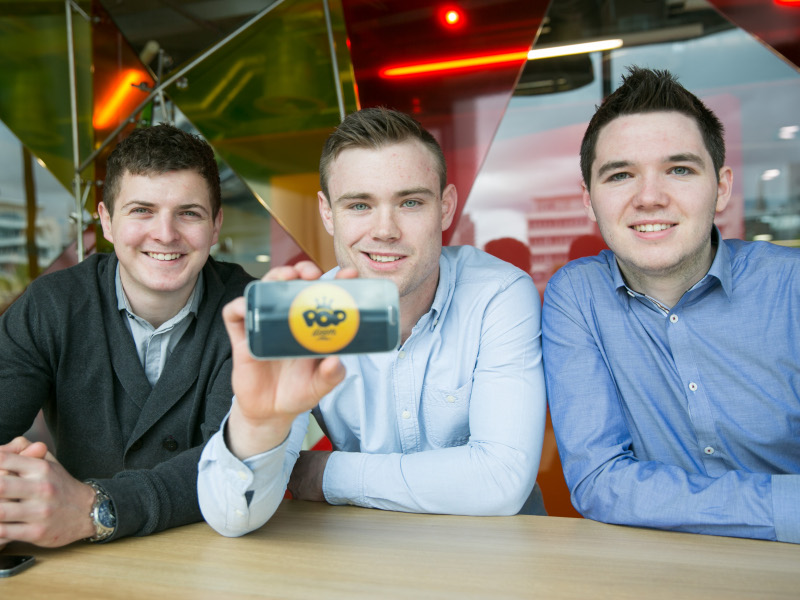
Social marketing start-up Popdeem raises €500k in funding - Start-ups | siliconrepublic.com - Ireland's Technology News Service
Influencer marketing platform Popdeem has raised €500,000 in funding from Delta Partners, Enterprise Ireland and several leading angel investors.
Substack

The Ad Supply Crunch Is Here. Publishers Need to Rethink Scarcity
Falling ad supply is starting to change the economics of the open web. For publishers, the opportunity is a chance to rebuild pricing power around quality, data and direct relationships. Bottom Line Publishers should not respond to falling supply by chasing volume, adding ad units or buying in lower-quality traffic to plug the gap. That approach treats a structural shift as a temporary problem and dilutes the inventory that is actually gaining value. The better response is to make fewer, better impressions worth more: protecting premium supply for direct and guaranteed deals, proving inventory quality through first-party and contextual data, and building the audience relationships that give buyers a reason to pay above the average. A 40% drop in ad requests is not a quarter to manage through, but rather a clear signal to rebuild the business around scarcity rather than scale.
Google

What do you want to achieve?
Before beginning any advertising campaign, make sure that all parties involved clearly understand and are aligned on what the objective of the campaign is. Before you spend a single dollar, you need to ask: what do I want to achieve with this investment? Define what outcome you expect to buy with your media investment — awareness, engagement, leads, or sales. The answer to this determines everything that follows: the platforms you choose, the creative you develop, and the data you track. How do you measure success? Once you have defined the objective, you need to align on how you will measure whether or not you are happy with the result you have purchased once the campaign has ended. This is your KPI. The question to ask yourself is: when this campaign ends, and the budget has been exhausted, what is the number I need to see that will make me happy with my investment? 2 million impressions? 1.5% CTR? 500,000 landing page visits? You need to decide on that number before the campaign launches — not after. Defining your KPI upfront gives your media team a target to optimize toward and prevents post-campaign confusion about what worked. You can lead them to water, but can you make them drink? Getting your ad in front of the right audience is only half the job. Campaign performance depends on everything that happens after the click — your creative, your landing page, your offer, and even factors beyond your control like competition or seasonality. You can’t control every variable, but you can control your preparation. Don’t cut corners. When your objectives, KPIs, and execution are aligned, you stop guessing and start managing results. Every dollar you spend becomes part of a strategy.
Navigator

The Advertising Flywheel: How To Turn Attention into Unstoppable Growth
“The true signature of mediocrity is chronic inconsistency.” – Jim Collins In business strategy, few concepts are as powerful as the “flywheel.” Coined by Jim Collins in Good to Great, the flywheel concept uses the metaphor of a heavy wheel that takes some significant effort to get moving, but once it gains momentum, it spins faster and faster with relatively little additional energy. In digital marketing the advertising flywheel is a reinforcing loop that turns user attention into data, data into better ads, better ads into more revenue, more revenue into better products, and better products into more users – and the cycle accelerates. The Digital Advertising Flywheel: How Smart Advertisers and Agencies Build Momentum That Compounds Most brands and agencies treat paid media like a light switch – tactical campaign bursts they turn on for 4–8 weeks, measure, turn off, reset and restart. This is the opposite of a flywheel. Every time a digital campaign stops, all of the momentum is lost, the algorithm resets and everyone again starts from scratch. It is an endless cycle of frustration, poor performance and lost opportunity. Instead, implement a self-reinforcing loop to your digital advertising campaigns. • Initial Push (Seed the Algorithm) – Launch with enough daily budget and creative volume to give the platform statistically significant signals within 7–14 days. • Attention → First-Party + Platform Data – Every click, add-to-cart, view-through, scroll, and landing-page dwell time becomes training data for the platform’s model. • Data → Targeting Superpowers – Once a sufficient amount of data has been acquired, the platform shifts from broad prospecting to more optimized audiences. • Higher ROAS → Increased Budget & Higher Revenue – When spend is consistently profitable, double it instead of pausing. • Revenue → Creative & Data Reinvestment – Take the surplus profit and immediately put it back into new creative and additional audience prospecting. • Better Creative + Faster Pages → More Conversions & Lower Costs → Back to Stage 1. Month-over-month efficiency compounds instead of flatlining. The Physics for Advertisers A campaign that has been running profitably for 6–12 months with consistent spend and creative refresh becomes very difficult to replicate by a new competitor agency starting from scratch. The advertising flywheel is a powerful revenue generation machine, and a moat that protects your agency business from competitors luring your clients away. Never let the flywheel stop Stopping a campaign causes the algorithm to forget everything it has learned about your customer. Run consistently, feed the algorithm relentlessly, and compound your advantage. That’s how you build a paid media flywheel that competitors can’t easily copy and clients never want to leave. Agencies see significantly strengthened performance when shifting from short, isolated campaign cycles to a continuous flywheel approach. The key is consistency to build momentum – keeping the flywheel in motion allows agencies to achieve more predictable outcomes, support long-term growth objectives, and deliver sustained value to clients. Consistency drives learning, and learning drives improvement and results.
Navigator

Category Playbooks: The Path to Bigger Budgets and Longer Commitments
Turn One-Off Campaigns Into Long-Term, High-Budget Relationships Agencies don’t lose deals because clients doubt their ability to execute. They lose because every pitch sounds like a one-off experiment, with no proven ROI, no clear path to scale, and too much perceived risk for the buyer to justify a meaningful budget. Category Playbooks solve this. Playbooks transform ad sales from reactive, tactical pitches into repeatable, category-specific growth packages. By pre-packaging proven audiences, formats, platforms, and tactics for a given vertical, including automotive, real estate, retail, and fintech, agencies move upstream from vendor to strategic partner. The result: higher close rates, larger initial budgets, and multi-quarter commitments instead of short, disposable campaigns. Sell Bigger. Sell Longer. Sell With Confidence. Playbooks remove buyer anxiety by mirroring how enterprise campaigns are planned and approved. Instead of “testing a few ideas,” clients are presented with a complete, end-to-end blueprint—from objectives to scale—grounded in benchmarks and prior results. This changes the conversation: • Smaller “test” budgets become structured starter programs • Short-term pilots turn into quarterly and annual commitments • Pricing shifts from line items to outcomes When a client hears, “We’ve run this exact playbook before—this is your customized version,” risk drops and budget confidence rises. The 10-Section Sales Blueprint Each playbook follows a fixed, proven structure designed to anticipate objections and drive decisions. Deployed as a concise, highly visual slide deck, it is built to sell in the room—not explain later. 1. Overview – The category problem and why it matters now 2. Objectives & KPIs – Clear goals tied to measurable outcomes 3. Audiences – High-intent segments with scale and logic 4. Formats & Creatives – Proven assets and testing frameworks 5. Platforms & Publishers – Tiered channels to balance reach and efficiency 6. Tactics – Sequenced plays from awareness to conversion 7. Budget & Scale – Starter, growth, and scale scenarios 8. Benchmarks – Expected performance ranges, not guesses 9. Case Studies – Visual proof from prior executions 10. Next Steps – Timeline, scope, and commercial path to launch The structure stays consistent. The value comes from how it’s tailored. Category Customization Builds Trust and Budgets Playbooks are category-specific by design. The framework is fixed, but the substance reflects the realities of each vertical. By customizing audiences, tactics, creatives, platforms, and benchmarks, agencies signal deep expertise without reinventing the wheel. This balance of rigid structure and tailored execution creates credibility fast and allows playbooks to be built and deployed in days, not weeks. The message to the client is simple and powerful: “This isn’t a generic media plan. It’s a proven category blueprint, optimized for your business.” The Result Category Playbooks give agencies leverage: • Fewer one-off pitches • Larger starting budgets • Longer campaign durations • Stronger positioning as a strategic partner They turn knowledge into IP, sales conversations into systems, and short-term campaigns into durable revenue. As media buying becomes commoditized, the advantage shifts to agencies that package certainty, repeatability, and scale. Internal Alignment Category Playbooks don’t just close deals, they align teams. Sales, strategy, and execution work from the same blueprint, reducing rework, over-customization, and margin erosion. New sellers ramp faster, senior leaders gain predictability, and delivery teams execute against known patterns instead of reinventing every campaign. This reframes playbooks as an operating system, not just a sales trick.
Navigator

There is no magic button in digital advertising
There is no magic button in digital advertising Results come from planning, discipline, consistency, and time. Everyone wants a shortcut. Everyone is looking for that one trick that will instantly deliver conversions – the perfect platform, audience, creative, or placement that will immediately deliver sales. But here’s the truth: there is no magic button in digital advertising. You have to know your stuff, and you have to do the work. Success is born out of smart planning guided by clear goals, smart execution and consistency over time. Discipline leads to habits. Habits lead to consistency. Consistency leads to growth. Define clear goals – Start by agreeing on exactly what success looks like. What do we want to achieve? What do we expect to get in return for our media investment? Set measurable KPIs – Identify the key metrics that will show us what’s working and where to improve. Craft a compelling offer and message – We need a clear, irresistible reason for people to act. Why should people care? What is in it for them? Develop high-quality creative – Strong visuals and copy turn attention into interest, and interest into action. Build optimized landing pages – Your website or landing page must make it effortless for people to say “yes.” Implement accurate tracking – Data drives everything. Make sure that every visit, click, and conversion is captured correctly. Monitor and optimize – Once the campaign is live, continuously review results and make smart adjustments informed by data. Test everything – Offers, creatives, headlines, audiences — nothing is sacred. Testing is how we get better. Iterate and refine – What works gets amplified. What doesn’t gets replaced. The process never stops improving. Each iteration teaches us something. Over time those lessons compound into real, sustainable, repeatable performance. Consistency builds data, data builds confidence. Every campaign produces valuable data – use it to learn and make necessary tweaks as you go. But do not stop. Quitting means you’re no longer out there, no longer visible – you’re no longer collecting data and no longer learning – then you’re flying blind and starting from scratch the next time. The most successful advertisers play the long game. They commit to learning and iterating over time. They know that robust, meaningful data is the byproduct of consistency. Without it, you’re always left guessing. Consistency turns data into clarity. Iterate, don’t quit Continually stopping and starting is a recipe for failure. When a campaign does not immediately deliver as hoped, many advertisers panic and quit. They shut it down, launch something totally new, and start the process all over again. That’s a mistake. Instead of restarting, iterate. • Keep what’s working and fix what isn’t. • Experiment with variables – the creative, targeting, budget, or offer – and measure the impact. • Use each round of data as a stepping stone to a better understanding. The goal is to make every version better than the last. Read the signals, iterate. Over time you will find your sweet spot. Always on – Why the biggest brands never stop advertising Think about the world’s biggest companies and best-known brands, like Coca-Cola, Nike, Apple, McDonald’s. Why do they continue spending billions on advertising when every person on Earth already knows who they are? Awareness fades. Attention shifts. Competition never sleeps. Advertising is more than just letting people know you exist — it’s about staying relevant and reminding them that you exist. Even the strongest brands understand that attention decays without reinforcement. Every ad keeps them top of mind, shapes perception, and reminds the customer why they exist. The lesson for smaller advertisers is simple: if Coca-Cola still advertises, you definitely need to. Big brands aren’t buying recognition — they’re buying presence. They know that consistency builds trust, and trust drives sales. It is not because they have deep pockets that they can afford to advertise … they have deep pockets because they advertise. Staying top of mind and relevant at all times is the reason that they are successful. It is precisely because they invest in consistency that they are the world’s most successful companies. Time Is the Multiplier Advertising is like fitness. You don’t go to the gym once and expect immediate transformation. It’s the small, repeated actions that compound into results. The same applies in your advertising program: • Consistent investment builds algorithmic learning • Consistent creative testing reveals what resonates • Consistent tracking shows what truly drives ROI The Bottom Line Digital advertising is a discipline that requires consistency over time. It requires your effort and attention in order to work. The fundamentals matter. The discipline to keep improving, the consistency to learn from data, and the patience to let time do its work. If you can commit to that, you won’t need shortcuts – you’ll have a system that works, because you built it right.
Adexchanger
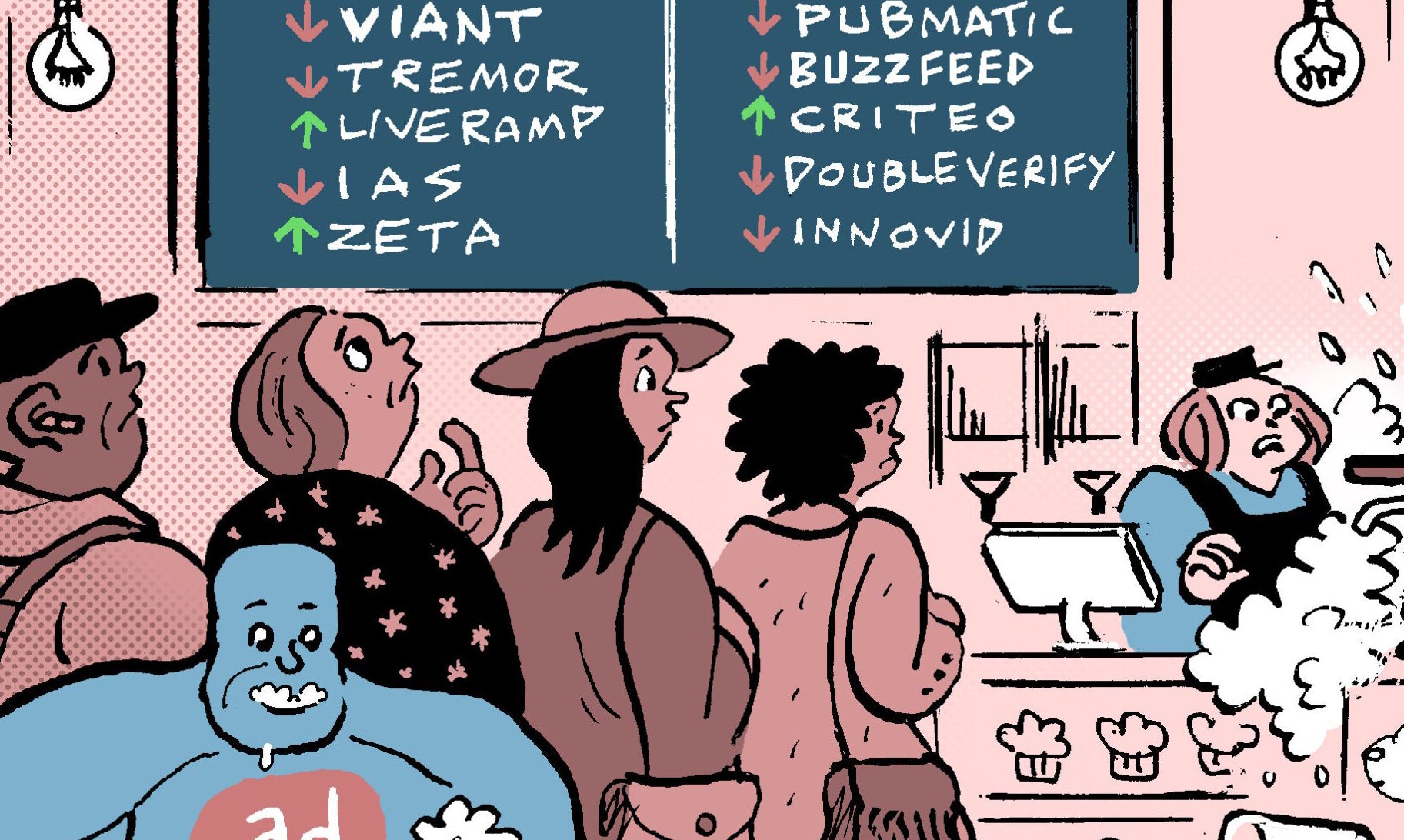
Wall Street Wants To Know What The Programmatic Drama Is About | AdExchanger
Competitive tensions and ad tech drama have flared all year. DSPs and resellers … I mean, SSPs, have butted heads over access to bidstream data. Google screwed over every vendor that committed time and energy to the Chrome Privacy Sandbox. The Trade Desk is throwing its weight around. Prebid and The IAB Tech Lab are […]
Linkedin
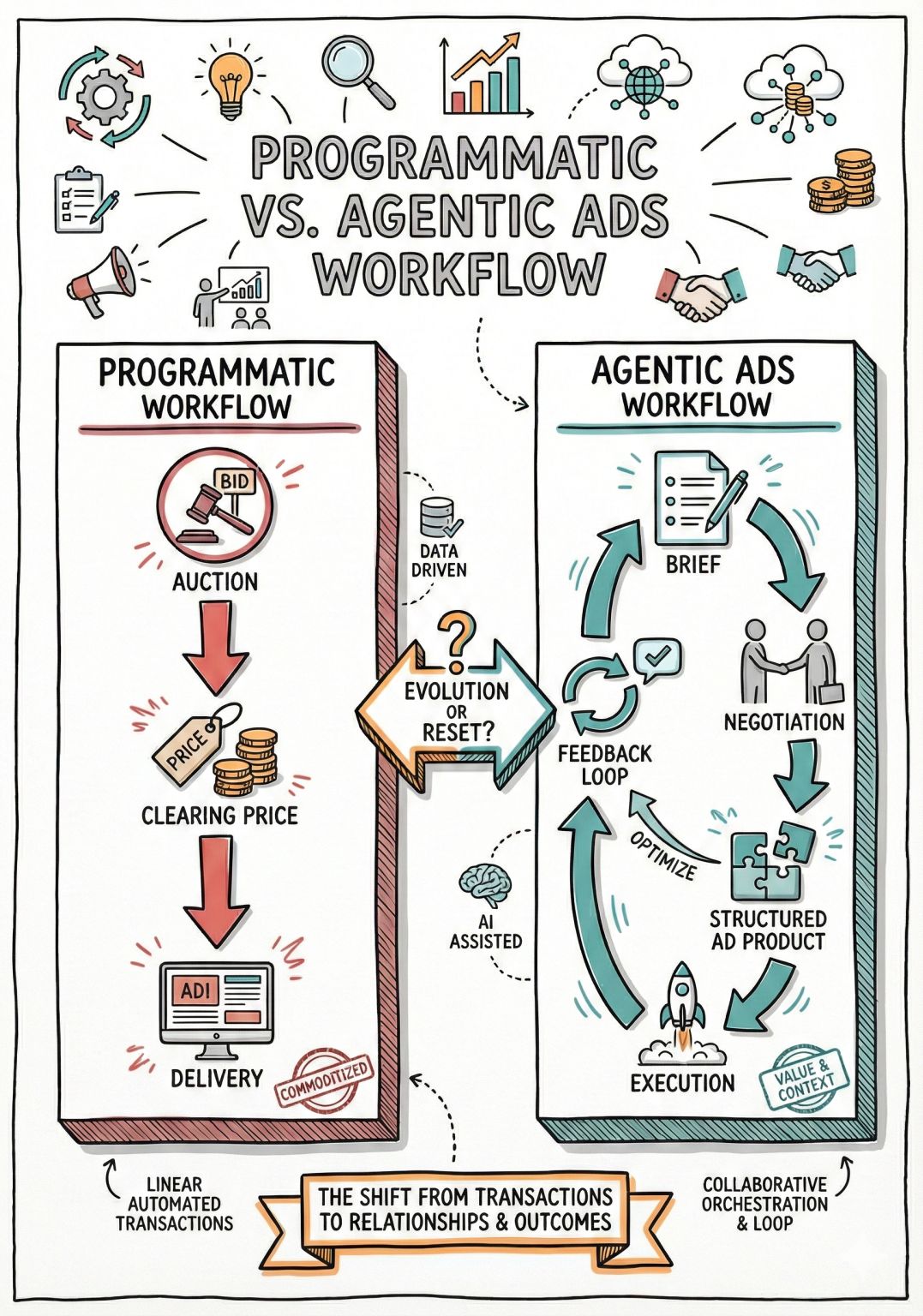
Is agentic advertising basically programmatic, just with better AI? Short answer, no.
Programmatic automated transactions. Agentic advertising automates coordination.
Newcartographies

The "User-Generated Content" Ruse - by Nicholas Carr
Big social media companies are facing hundreds of personal-injury lawsuits claiming that their platforms have harmed people, particularly kids. Lawyers for the plaintiffs, which include individuals, states, and school districts, are modeling the suits on the successful litigation against cigarette companies at the end of the last century. Should the social media companies lose the suits, the first of which began this week in Los Angeles, they would face not just massive payouts but also the prospect of extensive new regulatory controls on their businesses, just as tobacco companies did. The internet giants have armies of lawyers, and they’re spending millions to block the suits. They claim, as they always have in the past, that they’re shielded from such litigation by the 1996 Communications Decency Act. As the Wall Street Journal writes, in an editorial sympathetic to the companies, “The first problem with these cases is that Section 230 of the 1996 Communications Decency Act says internet platforms can’t be held liable for user-generated content.”1 But that old argument no longer holds water. The content produced by social media companies today is anything but “user-generated.” To think otherwise is to misunderstand how social media operates —and to misinterpret the scope of Section 230.
Digiday
Curation helps publishers reclaim control of the media ecosystem
The rise of zero-click search — in which users get answers through AI-powered summaries without ever clicking through to a website — has disrupted the once-reliable flow of referral traffic from search for many publishers. Unfortunately, fewer page visits mean fewer opportunities for monetization, creating fresh challenges for media outlets hoping to sustain growth. It’s not yet clear what form this will take in the future — how artificial intelligence may continue to reshape the media ecosystem. Still, there’s reason to be confident that part of the solution, for now, lies in curation. For years, search acted as a proverbial bridge between audiences and publishers — a strong search ranking could deliver a steady stream of readers, creating an environment where scale was achievable and advertising revenue naturally followed. Clicks (from search) represented user interest, visibility and value, anchoring many outlets’ business models for decades.
Inma
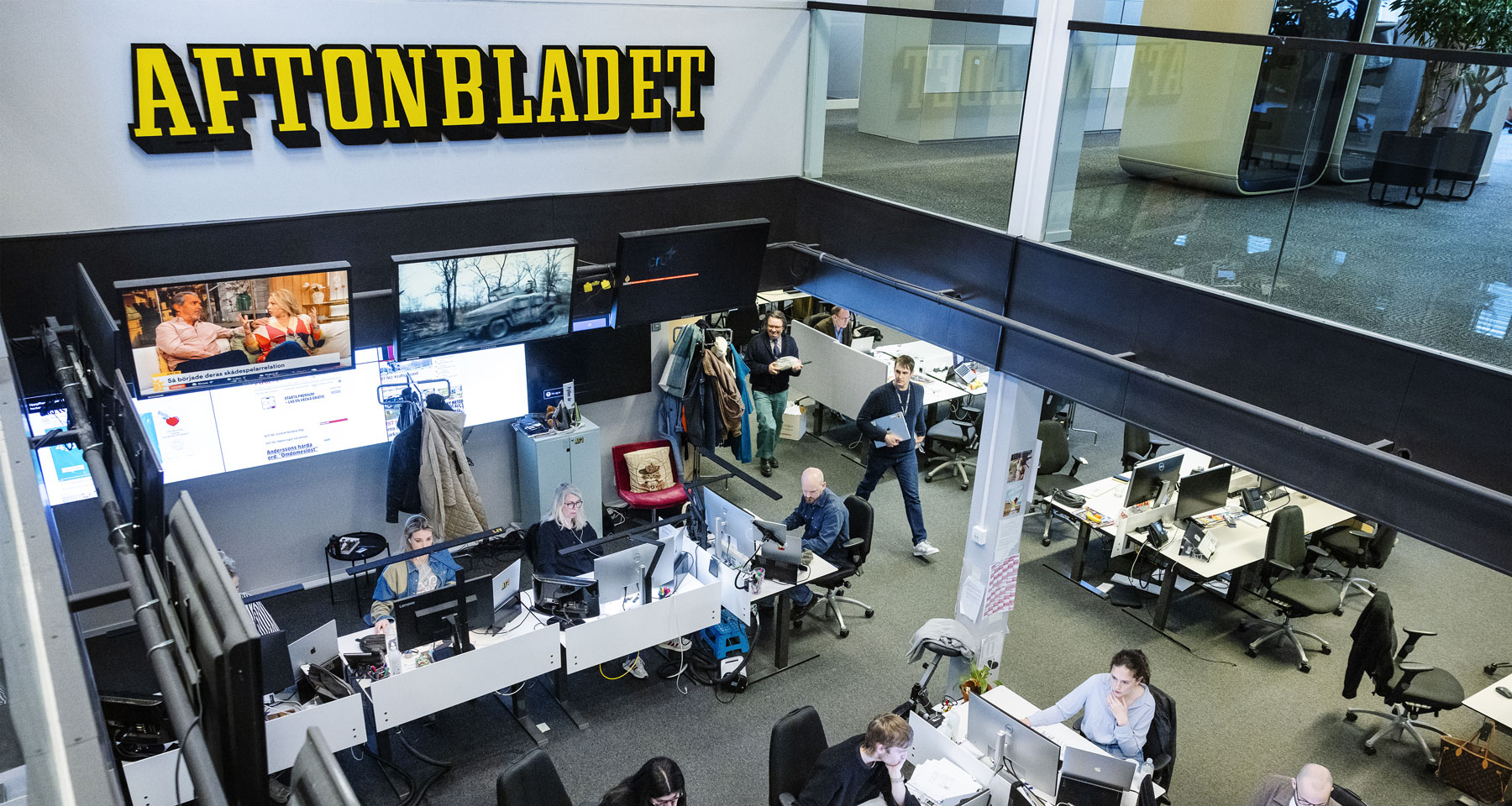
INMA: Aftonbladet sees 75% increase in subscription sales with front page A...
The Aftonbladet newsroom now uses a machine learning (ML) model designed to predict which articles are most likely to result in a subscription.
Youtube
The Story of Content: Rise of the New Marketing
If you enjoy the documentary, look for more content marketing news & education here: contentmarketinginstitute.com Technology has changed the game. Consumers can ignore advertising and marketing at will. To break through the clutter, brands need to tell remarkable stories worth listening to and become the media in the process. Download a discussion guide here: contentmarketinginstitute.com The Story of Content: Rise of the New Marketing, a new documentary by the Content Marketing Institute, is the first comprehensive film of its kind for the industry. It explores the evolution of content marketing through the eyes of the world’s biggest leading brands such as Red Bull, Kraft and Marriott; and marketing influencers, including Joe Pulizzi, Ann Handley, Scott Stratten, Jay Baer and more. Featuring case studies from early pioneers to today’s marketing innovators, you’ll learn how content marketing has been–and will continue– to change business and media forever. 00:00 Intro 7:00 - John Deere case study 10:30 - Procter & Gamble case study 13:20 - History of custom publishing 17:00 - Blendtec case study 23:15 - River Pools case study 29:09 - Red Bull case study 33:40 - Marriott case study 36:25 - Jyske Bank case study
Youtube
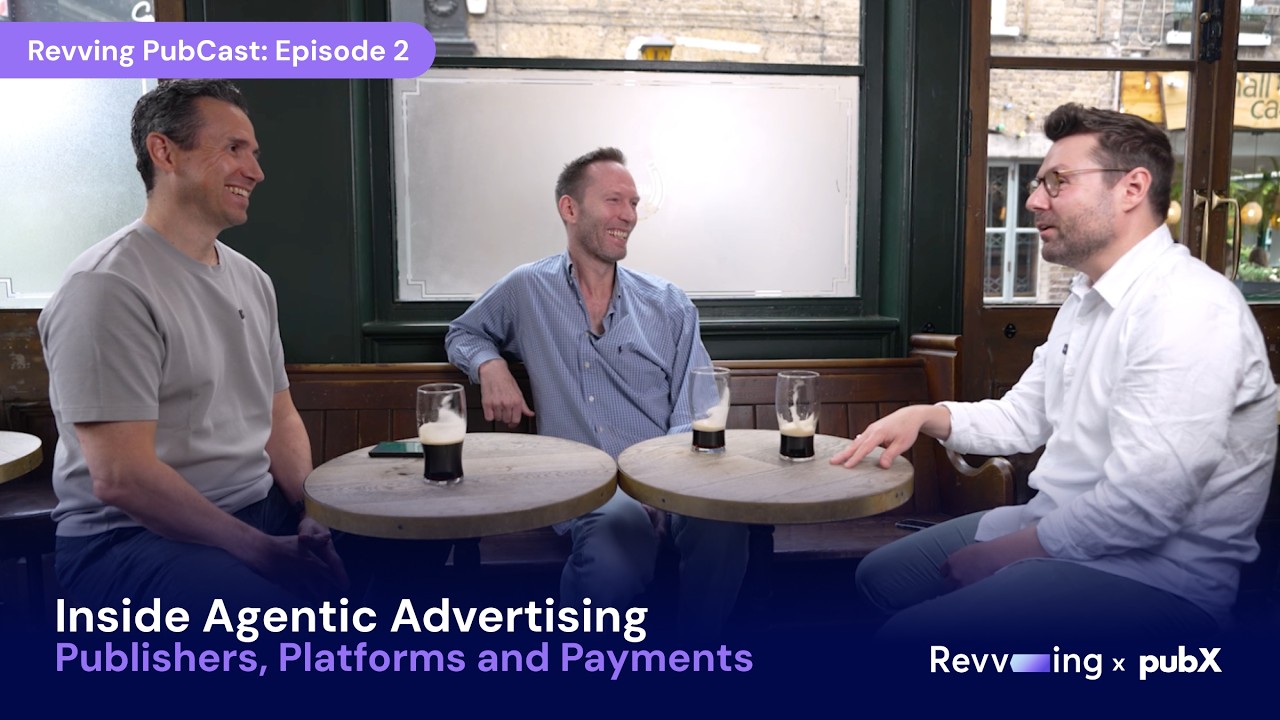
Inside Agentic Advertising: Publishers, Platforms & Payments | Andrew Mole, CEO of pubX
In Episode 2 of the Revving PubCast, Chris Pettit and David Mandeno are joined by Andrew Mole, CEO of pubX, to unpack agentic advertising, AI-native platforms, publisher expectations and how payments could evolve as the industry changes. Watch the full conversation on what’s real, what’s hype, and where the industry goes next. Learn more about pubX: pubx.ai Learn more about Revving: revving.io
Copyblogger

Digital Sharecropping: The Most Dangerous Threat to Your Content Marketing Strategy - Copyblogger
When you build your business on a platform you don't control, you're taking on a lot of unnecessary risk and headache. The term sharecropping refers to the farming practices common after the U.S. Civil War, but it’s essentially the same thing as feudalism. A big landholder allows individual farmers to work their land and takes most of the profits generated from the crops. The landlord has all the control. If he decides to get rid of you, you lose your livelihood. If he decides to raise his fees, you go a little hungrier. You do all the work and the landlord gets most of the profit, leaving you a pittance to eke out a living on.
Google
Opti Digital for Publishers | POET
A long‑established European adtech company that helps publishers thrive by strengthening every part of their monetization stack. It improves yield with dynamic pricing, enhances UX with lighter, faster delivery, and reduces operational strain through automated AdOps. Publishers gain access to cleaner demand, better CPMs, unified analytics, and attention‑driven optimization while keeping their existing setup. The result is higher revenue, stronger performance, and a more competitive position in a crowded media landscape. POET poetgtm@gmail.com WA: +65 8591 3218
Navigator

Outsourcing for Scale
Outsourcing levels the playing field, giving smaller agencies the tools, technology, and expertise they need to compete with the industry giants. Smaller agencies can now take on bigger accounts, win complex campaigns, and punch well above their weight — without the overhead or resources of a large network. In today’s fast-moving digital landscape, independent agencies face a growing challenge: clients expect full-service solutions under one roof, yet building and maintaining in-house ad operations capabilities is costly, complex, and time-consuming. Outsourcing offers a practical solution. By leveraging external expertise, agencies can expand their service offerings, increase revenue, and compete with larger organizations — all without adding headcount or overhead. Add a New Revenue Stream Immediately Agencies can offer clients premium digital advertising services under their own brand without waiting to build in-house capabilities. With operational infrastructure already in place through outsourcing, campaigns can be executed immediately, generating additional revenue from day one. How Agencies Make Money Outsourcing requires no fees, no upfront investment, no technology, and no long-term commitments. Agencies earn revenue through a simple revenue-sharing model with the partner. This means every campaign executed generates income for the agency — without adding risk or operational burden. Protect Client Relationships and Grow Revenue If digital advertising services are not offered in-house, clients may turn to other providers, resulting in lost revenue and a risk of losing the account entirely. Outsourcing enables agencies to manage media buying and campaign execution directly, keeping services under one roof, protecting client relationships, and increasing client lifetime value. Reduce Costs While Improving Quality External teams can handle campaign planning, management, optimization, and reporting, delivering enterprise-level results without the need for specialized hires or expensive technology investments. Agencies benefit from higher-quality campaigns, lower overhead, and predictable outcomes. Stay Ahead of Technology Digital advertising evolves rapidly, with new platforms, targeting tools, and optimization technologies emerging constantly. Maintaining in-house expertise is resource-intensive and requires continuous training. Outsourcing shifts this responsibility to the partner, ensuring campaigns leverage the latest tools and best practices without burdening your team. Compete for Larger Accounts Access to advanced ad formats, targeting tools, and data-driven insights allows agencies to pitch confidently against larger networks. Outsourcing makes offerings more competitive, comprehensive, and compelling to prospective clients. Focus on Core Strengths With operational execution managed externally, agencies can focus on what matters most: strategy, creative, and client relationships — driving growth while minimizing operational complexity.
Pubx

Why work in PubTech? : pubX
The Open Web stands at a crossroads and it feels like each week brings new challenges. Despite this, we believe that it is too important to lose.
Adweek

Time for Brands to Build Their Own Social Sites
Social networks have grown rapidly and gained genuine market power in a world where social conversations have become the new global information currency.
Substack
Direct relationships are the way out of this TikTok mess
Free yourself from the punitive attention economy
Addictivedigital

The Decline of Organic Reach on Social Media in 2025
Content that once quickly reached your followers now struggles to surface in their feeds – it’s a deliberate shift in social networks.
Investopedia
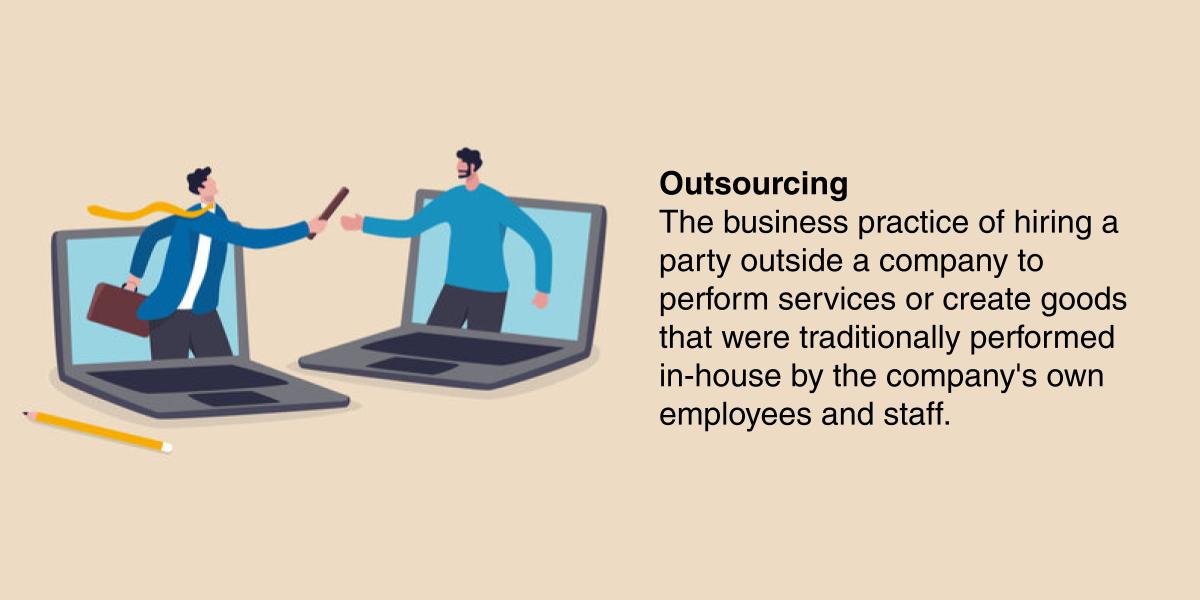
How Outsourcing Reduces Business Costs: Strategies and Examples
Outsourcing provides significant cost savings and operational efficiency by delegating non-core tasks to external vendors. This strategy allows companies to focus on core competencies, leading to increased competitiveness and productivity.
Stateofdigitalpublishing

Curation and The Great Programmatic Reset - State of Digital Publishing
Discover how curation is redefining programmatic advertising with smarter deals, better targeting, and stronger outcomes.
Substack

AI + Human: Is 1 + 1 really equal to 3? - by Marie Dollé
Spoiler: no. And that’s not a minor detail.
Youtube

Creative Refresh Arbitrage: The Highest-Leverage (and Most Ignored) Form of Attention Arbitrage
Creative Refresh Arbitrage: The Highest-Leverage (and Most Ignored) Form of Attention Arbitrage Fatigue isn’t linear — it’s exponential. After roughly 10–14 days of exposure in a high-volume channel, the average ad creative begins hemorrhaging attention at an accelerating rate. CTR doesn’t just decline; it collapses. What started as a 2–3% click-through rate can plummet to 0.3–0.5% within 30–45 days, even when reach, frequency caps, and targeting remain identical. Most agencies treat this collapse as inevitable. They wait until performance is already dead (90–120 days) before swapping in new creative. Top-tier attention arbitrageurs treat creative fatigue as a predictable, exploitable market inefficiency, and they harvest it relentlessly. Refreshing creative every 14–21 days typically resets CTR decay by 70–90%. Why 14–21 Days Is the Sweet Spot • Day 7–10: Learning phase completes & the platform has enough signal to optimize delivery. • Day 12–16: Subconscious familiarity kicks in. • Day 18–21: Visual memory saturation peaks. The creative is now mentally filtered out by the target audience. Refresh inside this window and you extract maximum algorithmic favor while staying ahead of human fatigue. Never Launch Singleton Creatives • Launch in batches of 6–12 new creatives. The 70/20/10 Creative Allocation Rule • 70% Proven winners (slight iterations: new hook, new CTA, new color contrast) • 20% Adjacent variations (same offer, new framing) • 10% Moonshots (radically new creatives) Fatigue Kill Switches Use automated rules that pause any creative once it has been identified as ineffective. The “Evergreen Remix” Library Keep a living library of top-performing hooks, visuals, and CTAs. Every new batch remixes elements from the top 10–15 historical winners. This dramatically increases the baseline hit rate of new batches. The Organizational Shift Required Most agencies are structurally incapable of 14–21 day refresh because: • Creative is bottlenecked in a traditional department with 4–8 week lead times • Media teams are not empowered to kill underperforming assets aggressively • Clients are conditioned to approve “big campaign launches” quarterly. Winning agencies flip the model: • Creative becomes an always-on content engine (in-house or via creator networks). • Media buyers get budget authority to shift spend instantly when fatigue triggers fire. • Clients are sold on a “perpetual motion” model where the goal is steady, compounding ROAS — not seasonal spikes. The Bottom Line Creative refresh arbitrage is the closest thing digital advertising has to a free lunch in 2025: the same budget, same targeting, same bids, but 25–60% better performance. Treat the human attention span as a decaying asset and manage it accordingly. Agencies that wait to refresh creative every 90–120 days aren’t just leaving money on the table, they’re actively burning it.
Youtube

Mid-2000s Optimum Triple Play Commercial iO Digital Cable (877)-393-4448
The commercial that was prolific in the NYC area throughout the mid to late 2000s.
Medium

The Timeless Wisdom of Theodore Levitt: Selling Value Over Features
Levitt argued that many businesses suffer from “marketing myopia,” a shortsightedness that narrows their perspective to their existing products or services rather than understanding the broader needs of their target market. He used the analogy of the drill to illustrate this concept. In his view, customers don’t necessarily want a drill; they want a hole in the wall. By understanding and fulfilling this underlying need, businesses can offer more effective and appealing solutions. The essence of Levitt’s concept lies in a fundamental shift in perspective. Instead of concentrating on the product itself, businesses should focus on the benefits and outcomes the product provides to the customer. This shift necessitates a deep understanding of consumer behavior, preferences, and motivations.
Campaigndelmar

Always On Marketing vs Campaigns: Why you need both (but not equally)
In this practical guide, you’ll learn how to structure your content strategy around high-impact campaigns that drive results, while using always on content to stay visible and build trust. Includes a free quiz to help you choose the right campaign type for your goals.